
Nearly seven years after the filthy night of Sept. 22, 2015, a public inquiry began Monday in Pembroke, Ont., Into the murders of three women near Wilno, Renfrew County.
According to the Office of the Chief Coroner for Ontario, this is the fourth investigation into intimate partner violence in the province. But unlike others, this survey will focus on rural domestic violence and on the specific challenges faced by victims living outside cities.
Recommendations to prevent similar deaths in the future are not guaranteed, but remain likely.
On September 22, 2015, Carol Culleton66 years old, Anastasia Kuzyk36 years old, and Nathalie Warmerdam48, was killed by Basil Borutsky at three different locations in vast Renfrew County, west of Ottawa.
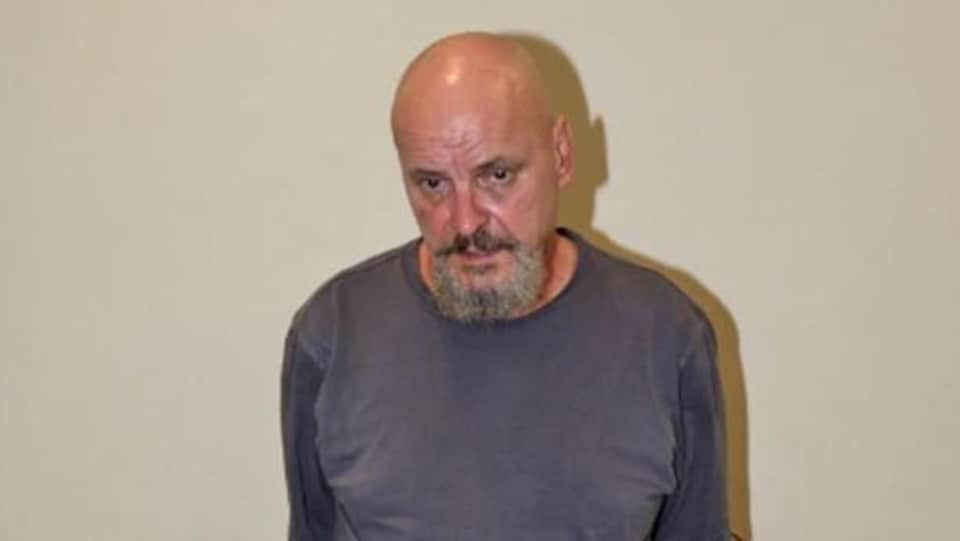
Lord. Borutsky, who already has a criminal history, knew the three women in question. He strangled Mrs. Kuzyk besides threatening Ms. Warmer Dams. The two women he used to be with.
Basil Borutsky was sentenced in 2017 to life imprisonment without the possibility of parole for 70 years. He’s 64 years old now, so he should end his days behind bars.
Will focus on domestic violence in the countryside
The three parties involved are End Violence Against Women Renfrew Countya coalition of organizations and advocates committed to intimate partner violence, Valerie Warmerdamthe son of Nathalie Warmerdamas well as the Government of Ontario.
The inquiry will be preceded by Leslie Reaume. Be a lawyer Prabhu Rajan at Christine McGoey.
The public inquiry should last 15 days and hear about thirty witnesses at a hotel in Pembroke.
Witnesses will be relatives and friends, Renfrew County residents, law enforcement officers, service providers and more.
Eight public policy issues will be reviewed:
- Risk factors for intimate violence and femicide in rural communities;
- Difficulties faced by victims in reporting violence and accessing protection and support services;
- The role of firearms on rural women and the offender’s access to firearms in this case;
- The history of Mr. violence. Borutskypast interactions with the justice system, risk factors, signs of increased risk and missed opportunities for intervention;
- The policies and practices of the police and justice system relating to intimate violence, in general, and to victims and the perpetrator of this incident in particular;
- Barriers to safety planning, including connectivity for electronic surveillance, notifications to the victim when the perpetrator is away, protocols for first responders, enforcement of protection orders, and enforcement efforts, self -protection of victims;
- Community awareness and attitudes to intimate violence and femicide. The resources and tools communities need to prioritize victim safety and respond effectively to the growing number of offenders;
- Solutions to traditional criminal justice response to intimate violence, including restorative justice and public health models, as well as support services for victims of crisis.
With information from CBC News
Radio Canada
Source: Radio-Canada
